

If you’ve ever worked in interior design, upholstery, or fabric production, you know that one tiny cutting mistake can turn a perfect roll of luxury fabric into scrap in seconds. As someone who runs an interior fabric cutting supplier (been at this for 8 years now, so I’ve seen it all), I can tell you accurate cutting isn’t just about using a sharp blade—it’s a mix of small, intentional habits, the right tools, and skipping the lazy shortcuts that add up to big problems later. Today I’m breaking down exactly how we keep our cuts spot-on every single time, no matter if we’re doing a single custom cushion or a bulk order for a furniture brand.
First off, let’s talk about prepping the fabric like your cuts depend on it—because they do. Most people skip this step, and that’s where half the accuracy issues start. When fabric arrives at our shop, it’s been folded, shipped, and sitting in a warehouse for who knows how long, which means it’s got wrinkles, stretch, and even those little “memory creases” from being rolled up tight. If you cut over those creases, your pieces will end up uneven, wavy, or just plain off. What do we do instead? We lay the fabric out flat in a climate-controlled room for at least 24 hours before cutting. Temperature and humidity are big here—if it’s too dry, fabric shrinks when it’s cut; too humid, it gets mushy and stretches. We keep our shop at 68°F and 45% humidity, which is standard but non-negotiable for consistent results.
Another big pre-step is grain alignment. The “grain” of fabric is the direction the threads run, and if your pattern isn’t aligned straight with the grain, every cut piece will stretch or warp once it’s sewn. I’ve had clients bring back custom sofas where the cushions sagged within a month, and 9 times out of 10, that was a grain alignment mistake. Here’s our trick: we pull a small thread from the edge of the fabric, which creates a tiny straight line, then use that line to square up the fabric on the cutting table. We mark it with a water-soluble pen (no permanent marks here!) so we don’t lose the line, then double-check it with a measuring tape before laying out patterns. Even if we’re in a rush, this 5-minute check saves us from re-cutting an entire order.
Next up, choosing the right cutting tool for the job. This is where a lot of small suppliers go wrong—they grab whatever cheap cutter they have on hand and hope for the best. Over the years, we tested every type: rotary cutters for small jobs aren’t great for multi-layer cuts, and basic scissors can’t handle thick upholstery fabric. Now, we match our tools to the project, and that’s made all the difference.
For single-ply cuts (like custom curtain panels or small cushion pieces), we used to rely on heavy-duty rotary cutters, but we noticed they left slightly jagged edges that frayed over time. A few years back, we invested in an automatic option and started using an Underwear Fabric Automatic Cutting Machine for thinner interior fabrics like voile or linen blends—its sharp oscillating blade cuts clean lines without stretching the fabric, and the computer guides eliminate human error for small, precise shapes. For thicker stuff, like furniture upholstery fabric that’s 10 ounces or more, we switch to a Furniture and Sofa Upholstery Fabric Cutting Machine—it has a deeper blade that slices through multiple layers of dense fabric at once, no more forcing the cutter and messing up the lines.
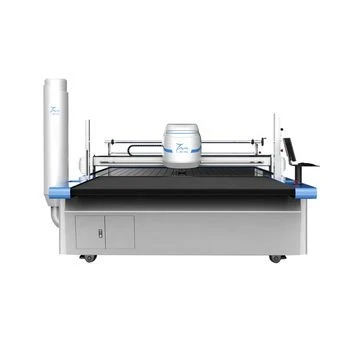
When we’re doing bulk orders for furniture brands, which can be 50+ layers of fabric, we don’t mess around with manual tools. We use an Industrial CNC Multi-Layer Fabric Cutter—this is the workhorse of our shop. It loads fabric automatically, uses pre-uploaded patterns, and cuts through 2 inches of fabric in one pass with 0.1mm accuracy. No more tired hands from cutting all day, no more uneven cuts because someone was slacking at the end of a long shift. We also use an Automatic Garment Fabric Cutting Machine for decorative fabric pieces that have curved edges, like sofa armrest covers—its fine blade can handle tight curves without skipping, which manual cutters almost always do.
Wait, and for those really high-ply jobs (like 100+ layers for a large hotel contract), we pull out the Multi-Layer Fabric Cutting Machine (High-Ply Cutter). I know a lot of suppliers skip high-ply cutters because they think they’re too expensive, but the money you save on re-cutting and scrap fabric pays for itself in 6 months. We used to waste 15% of our fabric on bad cuts before getting this; now that number’s down to less than 2%. That’s a huge win for both our bottom line and the planet—less scrap means less waste going to landfills, which is something we care about as a business.
But here’s the thing: even the best machine is useless if you don’t maintain it. We do a daily check on all our cutting tools. For manual tools, we sharpen blades every single day—dull blades pull fabric, leave ragged edges, and make it way too easy to slip and cut the wrong line. For our CNC machines, we do a quick calibration check first thing every morning: we cut a test square, measure it, and make sure it’s exactly the size we need. If it’s off by even a millimeter, we adjust the settings before we start on real fabric. We also clean the machine blades weekly—fabric lint builds up on them and makes cuts uneven over time, so a quick wipe with rubbing alcohol keeps everything running smooth.
Another mistake a lot of people make is crowding the cutting table. I’ve cut on tables that were too small or cluttered with leftover fabric rolls, and that’s how you end up with mismatched pieces. Our cutting table is 10 feet by 6 feet—big enough for multiple layers of fabric and space to lay out patterns without overlapping. We clear the entire table before every new project, even if it means setting aside leftover fabric for later. No clutter = no accidental cuts into wrong pieces, no fabric bunching up under the cutter.
Then there’s pattern layout. You might think “just trace the pattern on the fabric” is straightforward, but if you don’t space pieces correctly, you end up with gaps that make the fabric shift while cutting. We use pattern weights instead of pins—pins leave holes in fabric, especially delicate stuff like silk or linen, which ruins it. We use lightweight metal weights that hold the pattern and fabric firmly without piercing, and we space each piece at least an inch apart from the next. That small gap gives the cutter room to move, so it doesn’t slice into adjacent pieces. We also use the “nesting” feature on our CNC machine for bulk orders—this arranges pattern pieces to fit as tightly as possible without overlapping, which saves fabric and still keeps cuts accurate.
Wait, let’s talk about human error too. Even with great tools, if the person operating them isn’t paying attention, mistakes happen. We have a simple rule here: no cutting when you’re tired, no cutting when you’re distracted. Our staff takes 10-minute breaks every hour, and if someone’s been on the job for 8 hours, we switch them to a different task for the last hour. We also do monthly training—we don’t just let people learn on the job and call it good. We train them on how to calibrate the CNC machines, how to spot stretch in fabric before cutting, and even how to fix a small cut that’s gone wrong mid-job, instead of throwing the whole thing away.
We also do a final check every single time, no matter how rushed we are. It’s not enough to just look at the cut pieces—we measure each one against the original pattern, check the grain line again, and make sure there are no jagged edges or misaligned curves. For small custom orders, we do this one by one; for bulk orders, we sample 10% of the pieces to make sure they’re all consistent. I once had a client who ordered 200 curtain panels, and we found one was an inch too short during the final check—we fixed it before shipping, and they became a repeat customer because of that extra step.
Let me be real here: cutting interior fabric accurately isn’t about having the fanciest machine on the shelf. It’s about paying attention to every little step, skipping the shortcuts that feel good in the moment but cause problems later, and investing in tools that match what you actually need to do. Whether you’re a small upholsterer doing custom chairs or a big brand doing commercial furniture, these steps work—we’ve used them for 8 years, and our clients keep coming back because their cuts are always perfect, no excuses.
If you’re looking to upgrade your cutting process or need consistent, accurate interior fabric cuts for your next project, we’re here to help. We work with everyone from independent designers to large retailers, and we use all the tools I mentioned to make sure every cut is exactly what you need. Reach out if you want to chat through your specific needs.

References:
- Textile Institute. (2022). “Grain Alignment and Cutting Accuracy in Upholstery Fabric.” Journal of Textile and Apparel Technology and Management.
- American Apparel and Footwear Association. (2021). “Automated Cutting Technologies for Reducing Fabric Waste.” Industry Best Practices Report.
- Smith, J. (2023). “Climate Control’s Impact on Fabric Cutting Precision.” Fabrication and Production Monthly.
- Upholstery Association of North America. (2022). “Common Cutting Errors and How to Avoid Them.” Professional Standards Guide.


